A Comprehensive Guide to Learning Drywall Repair and Installment
This guide uses a thorough expedition of drywall fixing and setup, dealing with both amateurs and skilled professionals. It describes essential tools, methods for patching and hanging sheets, and the important ending up processes. drywall contractor. By comprehending typical mistakes, individuals can accomplish sleek results. Mastering these abilities not just boosts one's home however additionally develops self-confidence in do it yourself endeavors. What foundational ideas will assure an effective job from begin to complete?
Vital Tools for Drywall Repair Work and Installment
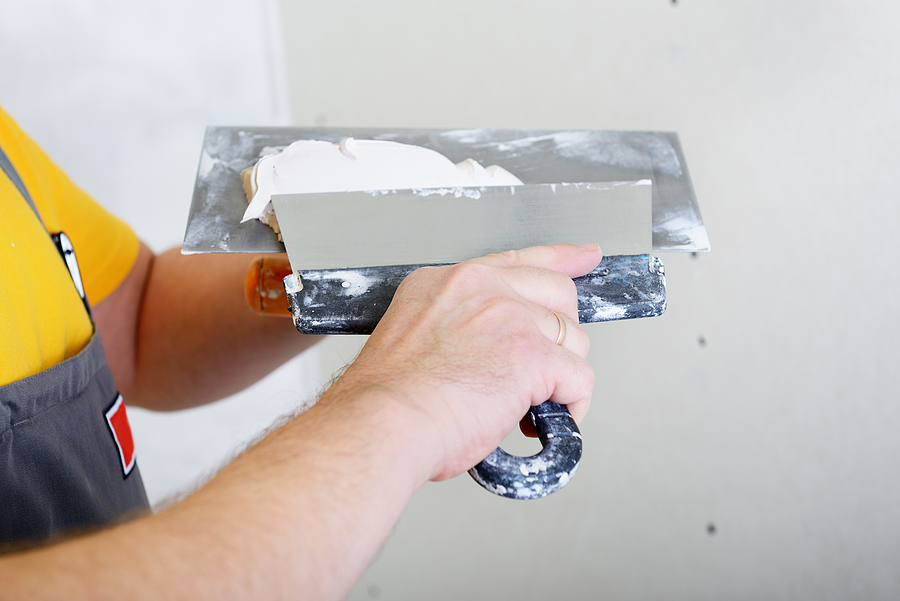
When beginning on drywall repair service and setup, a few crucial tools can greatly enhance the performance and quality of the work. A drywall knife, typically offered in different dimensions, is vital for using joint substance and smoothing joints. A taping knife is additionally essential for feathering edges and making sure a seamless finish. In addition, a drywall saw or energy blade permits specific cutting of drywall sheets to fit any kind of space.
Step-by-Step Guide to Patching Holes
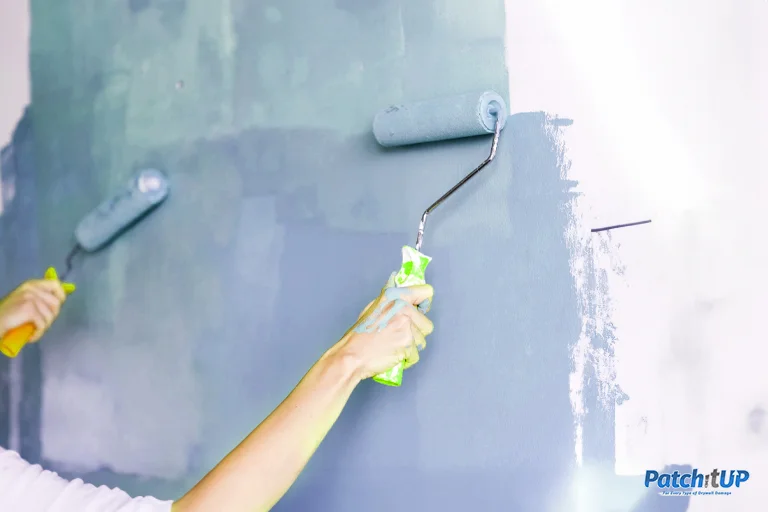
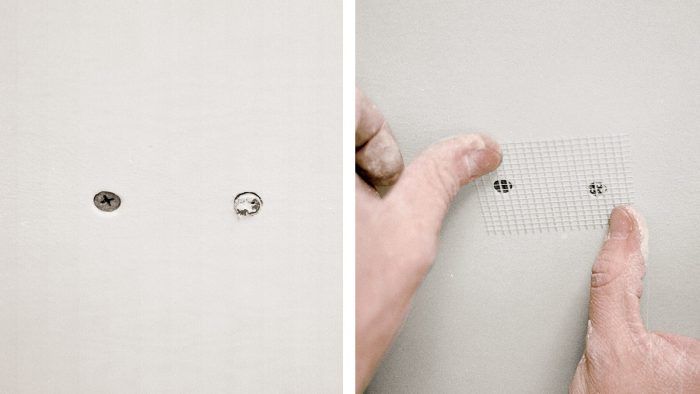
Patching holes in drywall is a simple procedure that can restore the wall's appearance and honesty. To start, the location around the opening should be cleaned and any loose debris eliminated. For tiny openings, a simple spackle or joint compound can be applied with a putty knife. Bigger holes may need a patch; an item of drywall can be cut to fit the hole, safeguarded with adhesive or screws, and afterwards taped around the sides. Once the patch remains in location, joint substance is used over the patch and feathered out to blend with the surrounding wall surface. After the substance dries out, sanding is necessary to achieve a smooth coating. The repaired location can be primed and painted to match the rest of the wall surface. This approach ensures a seamless repair service, improving the total appearance of the drywall and preserving its structural integrity.
Techniques for Hanging Drywall Sheets
After successfully repairing holes in drywall, the following step involves hanging brand-new drywall sheets to create a smooth surface. To achieve this, one must start by measuring the wall surface space properly and reducing the drywall sheets to fit. It is essential to hang the sheets horizontally for far better architectural stability, starting from the top and working downwards.
Making use of a drywall lift can streamline the procedure, specifically for ceiling installations. Once placed, protecting the sheets with drywall screws at periods of about 12 inches along the sides and 16 inches in the area is essential. This assures a strong hold and reduces the danger of sagging. For edges, the sheets ought to be reduced to fit comfortably, allowing for cleaner seams. It is suggested to stagger the joints between sheets to reinforce the total framework, creating a much more resilient surface ready for the next stage in the drywall installment process.
Ending Up Touches: Taping and Mudding
Finishing the drywall installment includes the important steps of mudding and taping, which guarantee a smooth and refined coating. Taping needs the application of joint tape over the seams in between drywall sheets. Drywall Repair Ogden UT. This tape can be either paper or fiberglass harmonize, with each type offering distinct advantages. After taping, the next action is mudding, where joint compound, or "mud," is put on cover the tape and fill up any type of imperfections
Utilizing a drywall knife, the compound ought to be spread out uniformly, ensuring a feathered side to reduce noticeable changes. Several coats are frequently necessary, with sanding in between each layer to achieve a seamless surface. Careful interest throughout this procedure is crucial, as it significantly affects the last look of the wall surface. With the right strategy and persistence, the end outcome will be a remarkable foundation prepared for painting or completing touches.
Typical Blunders to Avoid in Drywall Projects
One more usual blunder is not allowing adequate drying out time in between layers, which can catch dampness and jeopardize the finish. Disregarding to feather the sides properly can create noticeable lines and imperfections. Ultimately, skipping sanding or utilizing inappropriate methods might leave harsh places. By being mindful of these challenges, people can significantly improve the top quality of their drywall jobs and achieve a professional-looking coating.
Frequently Asked Concerns
Can I Repair Drywall Without Specialist Assist?
Yes, one can repair drywall without expert assistance. With the right devices, materials, and assistance, individuals can successfully deal with minor repairs. Substantial damage might need expert proficiency for perfect results and durability.
The Length Of Time Does Drywall Substance Require To Dry?
Drywall compound commonly takes in between 24 to 48 hours to completely dry entirely, depending on aspects such as humidity and temperature. Thinner layers may dry out quicker, while thicker applications call for more time for excellent results.
What's the most effective Kind Of Paint for Drywall?
The very best sort of paint for drywall is usually a water-based latex paint. It provides outstanding insurance coverage, toughness, and convenience of application, making it excellent for indoor walls while permitting simple cleaning with soap and water.
Just how Do I Protect Against Mold And Mildew on Drywall?
To stop mold and mildew on drywall, warranty appropriate air flow, control moisture degrees, use mold-resistant materials, and without delay resolve any type of leakages. Regular evaluations and prompt remediation of water damages are additionally vital for long-lasting prevention.
Is Drywall Recyclable After Removal?
Drywall is recyclable after removal, offered it is without contaminants like mold, paint, or other hazardous materials. Recycling facilities can refine it right into new products, promoting sustainability and reducing land fill waste in building.
When beginning on drywall repair service and installment, a couple of vital tools can considerably enhance the effectiveness and quality of the work. After efficiently repairing holes in drywall, the following step involves hanging new drywall sheets to develop a smooth surface area. Finishing the drywall installation involves the vital actions of mudding and taping, which here ensure a refined and smooth coating. Attaining a polished surface in drywall tasks can be difficult, and several common mistakes can weaken the quality of the work. Yes, one can repair drywall without specialist assistance.